Water audits and chemical-free restoration of lakes, ponds and rivers
Before you spend on equipment, know exactly where your water goes — and what it would take to bring a dead water body back to life. Vendor-neutral engineering, lab-backed evidence, ROI-ranked recommendations.
Find the leaking litres before you buy new equipment
A metered, lab-backed audit of every water stream on your campus — fresh water, borewell, tanker, STP output, reuse lines and losses. We convert the balance into a ranked list of interventions with payback for each.
48-hour flow logging on each source and major consumer zone
NABL lab analysis of raw sewage, treated water and reuse points
Leak and non-revenue water detection with zone metering
STP performance verification against CPCB norms and design load
Sankey water balance with per-capita benchmarking
Water balance diagram + metering plan • Gap register with severity and compliance risk • ROI-ranked action plan (quick wins vs. capex) • Board-ready summary and savings model
Timeline
2–4 weeks
Best for
Townships, IT parks, hotels, hospitals, campuses, industries
Lake & Pond Bio-Remediation
Chemical-free, in-situ restoration of urban water bodies
We stop the incoming pollution load, restore dissolved oxygen and rebuild native microbial and plant ecology so the lake sustains itself. No chemicals, no dredging-only quick fixes, no recurring dosing dependency.
Bathymetry, sediment core and inflow load characterisation
Sewage inflow interception with in-line screening and treatment
Solar and diffused aeration sized to lake volume and BOD load
Native bio-augmentation consortia for sludge and nutrient reduction
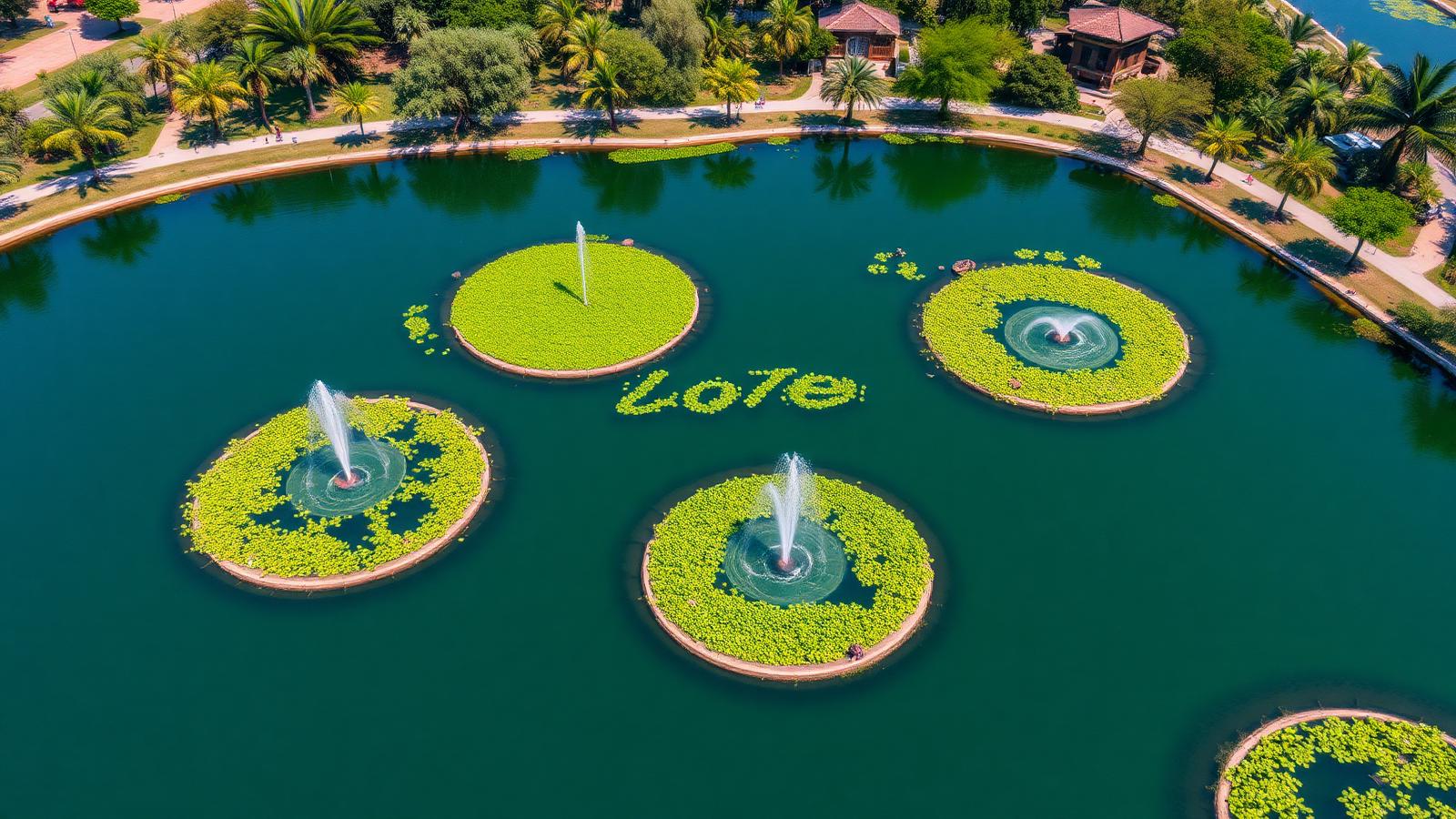
Floating treatment wetlands and shoreline phytoremediation belts
Detailed project report (DPR) with staged budget • Restoration works execution and supervision • 6–12 month performance monitoring with IoT dashboards • Community and ULB handover protocol
Timeline
3–12 months by water body size
Best for
Municipal lakes, temple tanks, township ponds, resort water bodies
River, Canal & Drain Rejuvenation
In-stream treatment where laying sewer networks is not feasible
For polluted stretches and open drains discharging into rivers, we design in-situ and in-line treatment trains — geo-bag bunds, cascade aeration, root-zone galleries and bio-reactors — so the load drops before the confluence.
Drain load survey and pollution hotspot mapping
In-line screening, grit and FOG interception chambers
Cascade and micro-bubble aeration for DO recovery
Phytorid / root-zone galleries along the bank (CSIR-NEERI framework)
Odour and floating-solids control at outfall points
Stretch-wise DPR aligned to NMCG / SPCB requirements • Hydraulic and load modelling • Construction drawings + O&M manual • Water quality compliance reporting
Timeline
6–18 months
Best for
ULBs, smart city missions, river basin authorities, industrial estates
Water Reuse & ZLD Strategy
Design the reuse loop, not just the treatment plant
We map every reuse opportunity — flushing, landscape, cooling towers, process make-up, groundwater recharge — against quality needs and plumbing feasibility, then define the tertiary train and dual-piping plan to close the loop.
Reuse demand profiling by end-use and season
Quality gap analysis vs. reuse standards for each end use
Dual-plumbing and storage sizing
Rainwater harvesting and recharge integration
Path to near-ZLD with recovery and reject management
Reuse master plan and P&ID concept • Capex/opex model with tanker-cost avoidance • Tender-ready technical specification
Timeline
3–6 weeks
Best for
Developers, campuses, hotels, manufacturing units
Compliance & Consent Advisory
CTE, CTO, OCEMS and SPCB documentation, handled
From consent applications to inspection readiness, we prepare the technical documentation and evidence trail that pollution control boards ask for — and fix the process gaps that fail an inspection.
CTE / CTO application dossiers and drawings
OCEMS / online monitoring configuration and calibration review
Third-party STP performance certification
Non-compliance remediation and show-cause response support
Existing plants facing notices, new projects seeking consent
STP Retrofit & Revival Diagnostics
Fix the plant you already own before replacing it
Most underperforming STPs suffer from hydraulic overload, dead aeration zones or wrecked sludge age — not the wrong technology. We diagnose, then propose the smallest intervention that restores compliance.
MLSS, SVI, DO profiling and aeration efficiency test
Blower and diffuser condition assessment
Hydraulic re-rating for actual vs. design load
Chemical-free conversion roadmap
Diagnostic report with root causes • Retrofit scope with cost and downtime • Post-retrofit performance guarantee option
Timeline
1–3 weeks
Best for
Societies and facilities with failing or chemical-dependent STPs
Methodology
How a Sarvo water audit runs
Water Audit Methodology
A structured five-stage audit that maps every litre entering, circulating and leaving your campus — then converts the gaps into a funded action plan.
1Scoping & DataBills, drawings, meters
2Flow Metering48-hr logging, zone balance
3Lab TestingNABL analysis, 18 parameters
4Water BalanceSankey of source → use → loss
5Action PlanROI-ranked interventions
Bio-remediation
Bringing lakes, ponds and rivers back to life — without chemicals
Dosing a lake with chemicals buys a few weeks of clearer water and creates a permanent supply contract. We take the harder, cheaper route: cut the incoming load, restore oxygen, and rebuild the microbial and plant ecology that keeps the water clean on its own.
Sewage inflow interception so the lake stops receiving raw load
Solar/diffused aeration sized to volume, depth and BOD load
Native bacterial consortia to digest bottom sludge
Floating treatment wetlands for nutrient stripping
IoT DO, pH and turbidity monitoring with public dashboards
Lake & River Bio-Remediation Sequence
Chemical-free, in-situ restoration. We stop the pollution load first, then rebuild the water body's own biology so results hold after we leave.
1DiagnosticsBathymetry, sediment, inflow load
2Inflow InterceptionScreening + sewage diversion
3AerationSolar / diffused DO recovery
4Bio-AugmentationNative consortia dosing
5Floating WetlandsPhytoremediation islands
6Monitoring & HandoverIoT DO/BOD dashboards
Typical lake restoration outcomes
Parameter
Before intervention
After 6–12 months
BOD
60–120 mg/L
< 15 mg/L
Dissolved Oxygen
0–1 mg/L
> 4 mg/L
Odour complaints
Chronic
Eliminated
Sludge depth
0.8–1.5 m
Reduced 40–60%
Faecal Coliform
> 10⁵ MPN
< 500 MPN
Indicative ranges from comparable urban water-body restorations; actual outcomes depend on inflow control, depth and catchment behaviour.
Engagement
From first call to funded action plan
01
Discovery call
30 minutes to understand the site, the trigger and the compliance clock.
02
Site visit & sampling
Our engineers meter, sample and photograph the whole water train.
03
Analysis & modelling
Lab results, water balance and options modelled with capex/opex.
04
Report & workshop
Ranked recommendations presented to your management team.
05
Execution support
Optional turnkey delivery, or vendor-neutral supervision of your contractor.
Consulting FAQs
Yes. The audit report ranks interventions by payback, including no-equipment fixes. If your existing plant can be revived, we say so — retrofit work is a service line of ours too.
Start with evidence, not a quotation
Tell us about your campus, plant or water body. We will scope the audit or restoration study and share indicative effort and cost within two working days.